

5 products
-

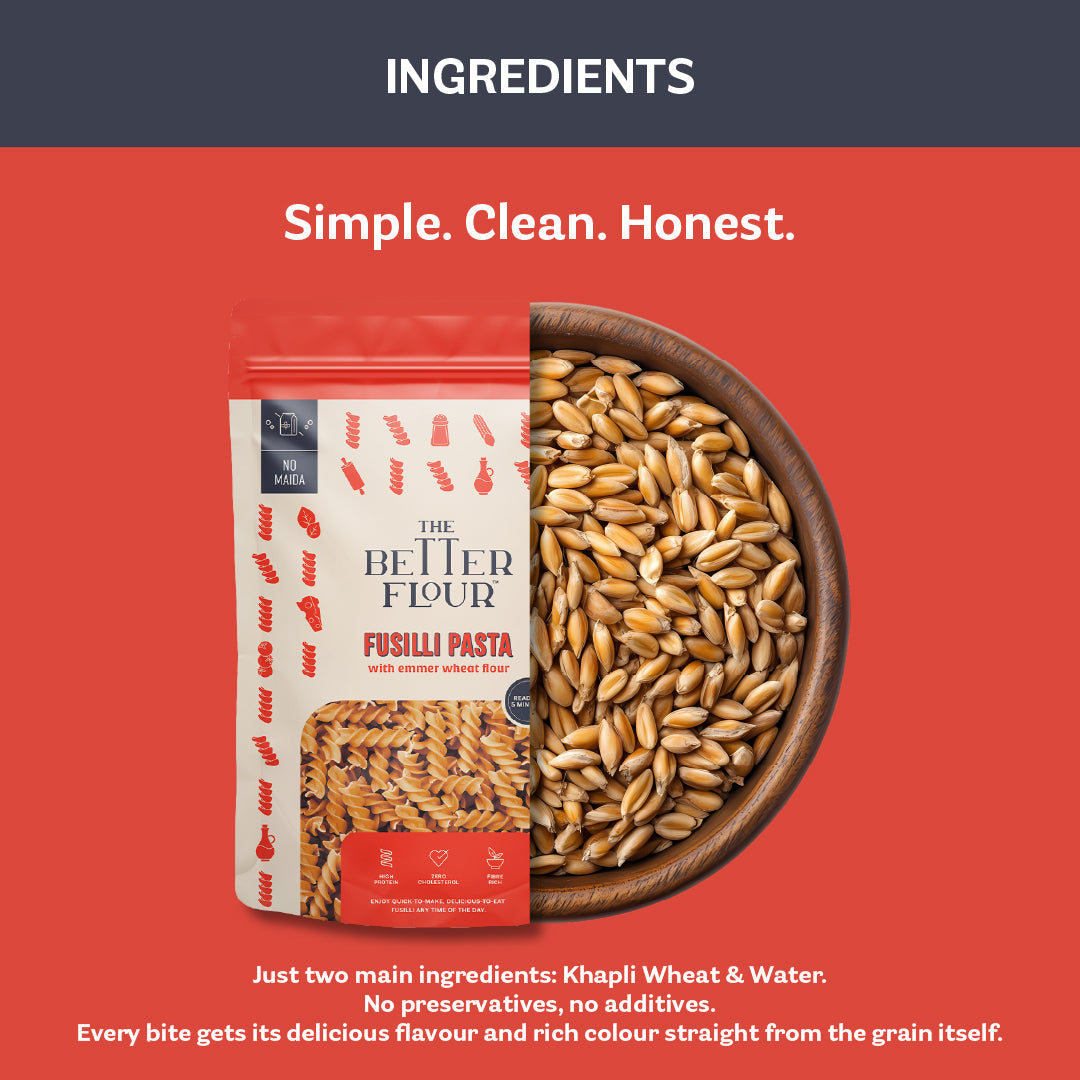

 Ready in 2 mins | No Maida | High Protein | Low GI | Diabetic friendlyEmmer Wheat Fusilli PastaReady in 2 mins | No Maida | High Protein | Low GI | Diabetic friendly
Rs. 299
-
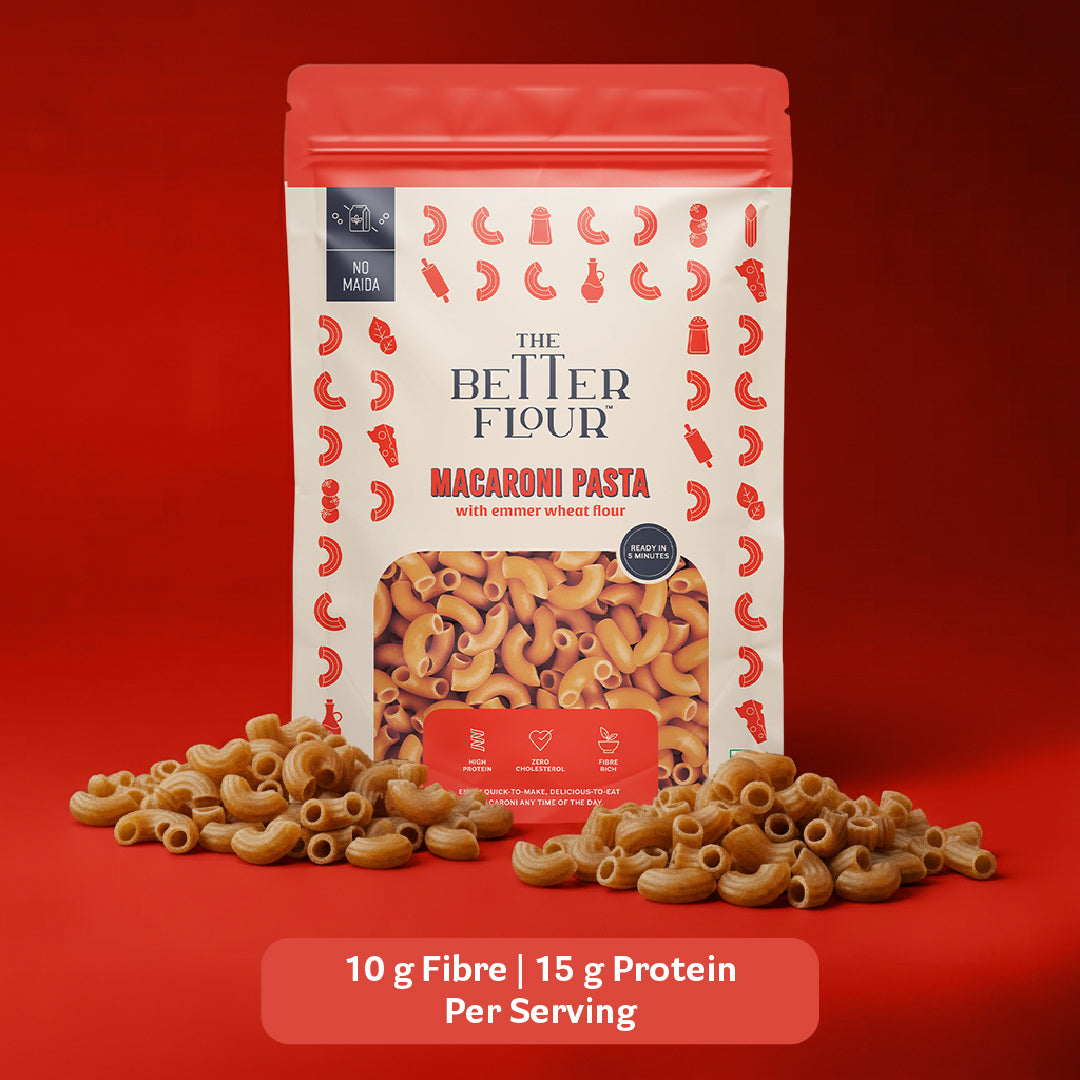
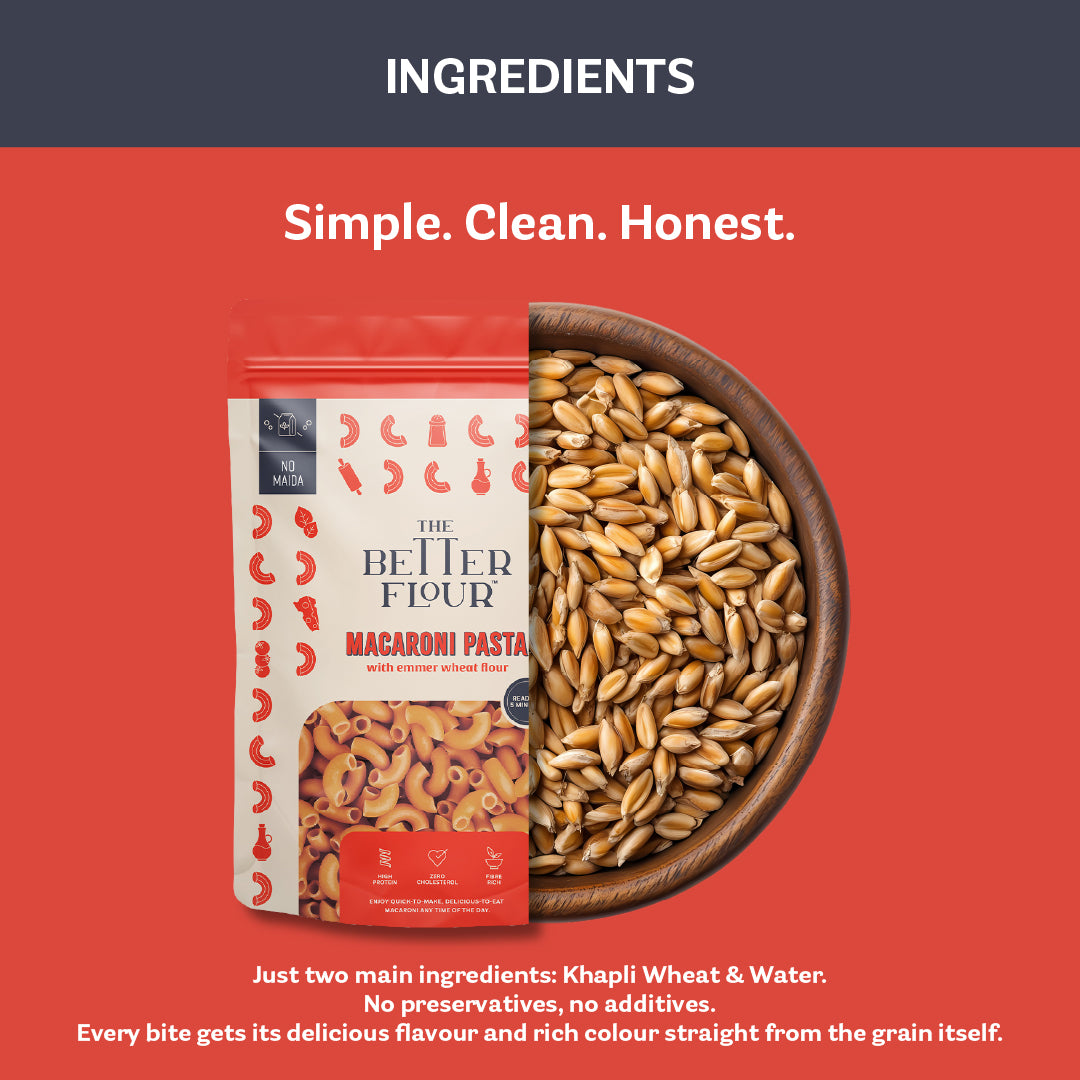

 Ready in 2 mins | No Maida | High Protein | Low GI | Diabetic friendlyEmmer Wheat Macaroni PastaReady in 2 mins | No Maida | High Protein | Low GI | Diabetic friendly
Rs. 299
-
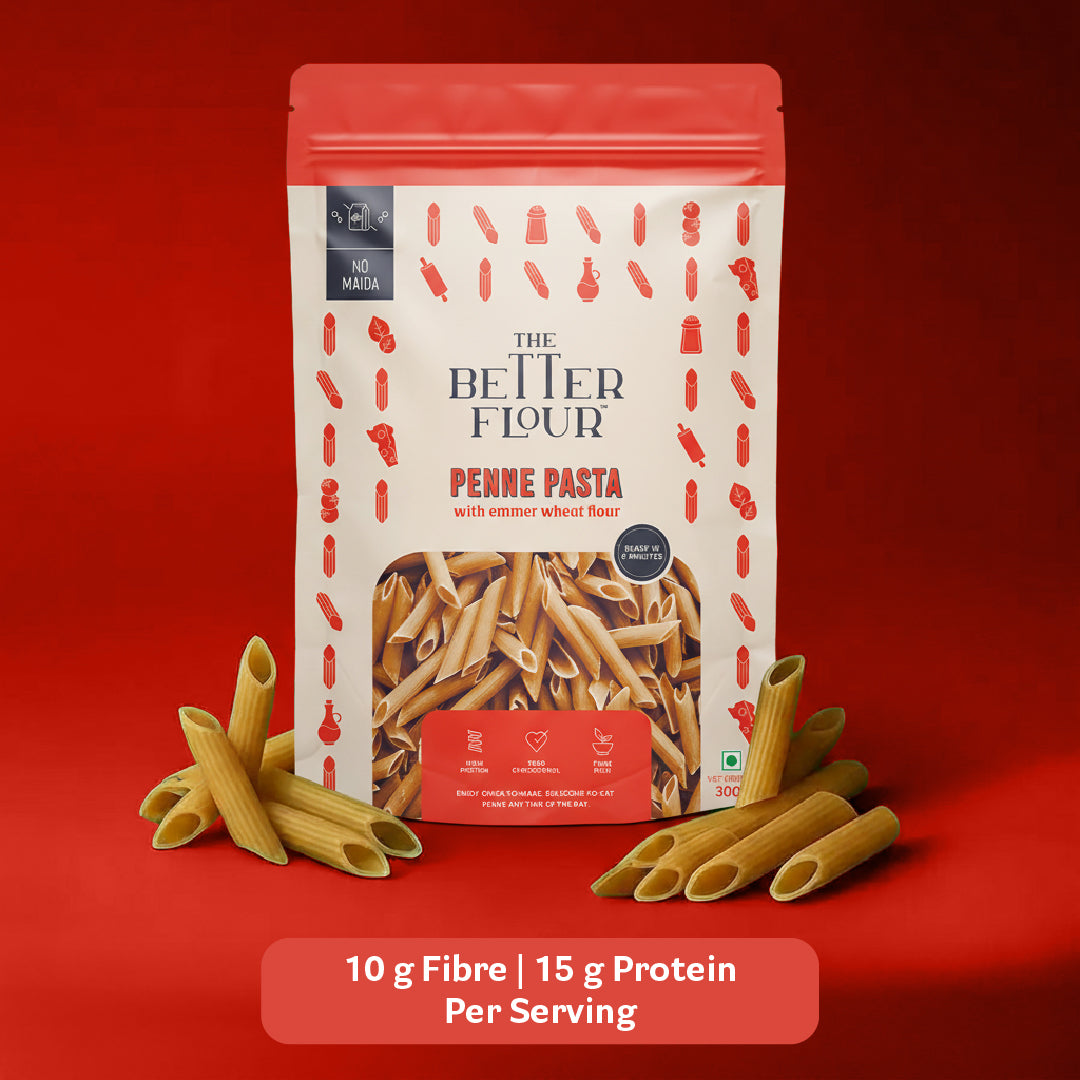
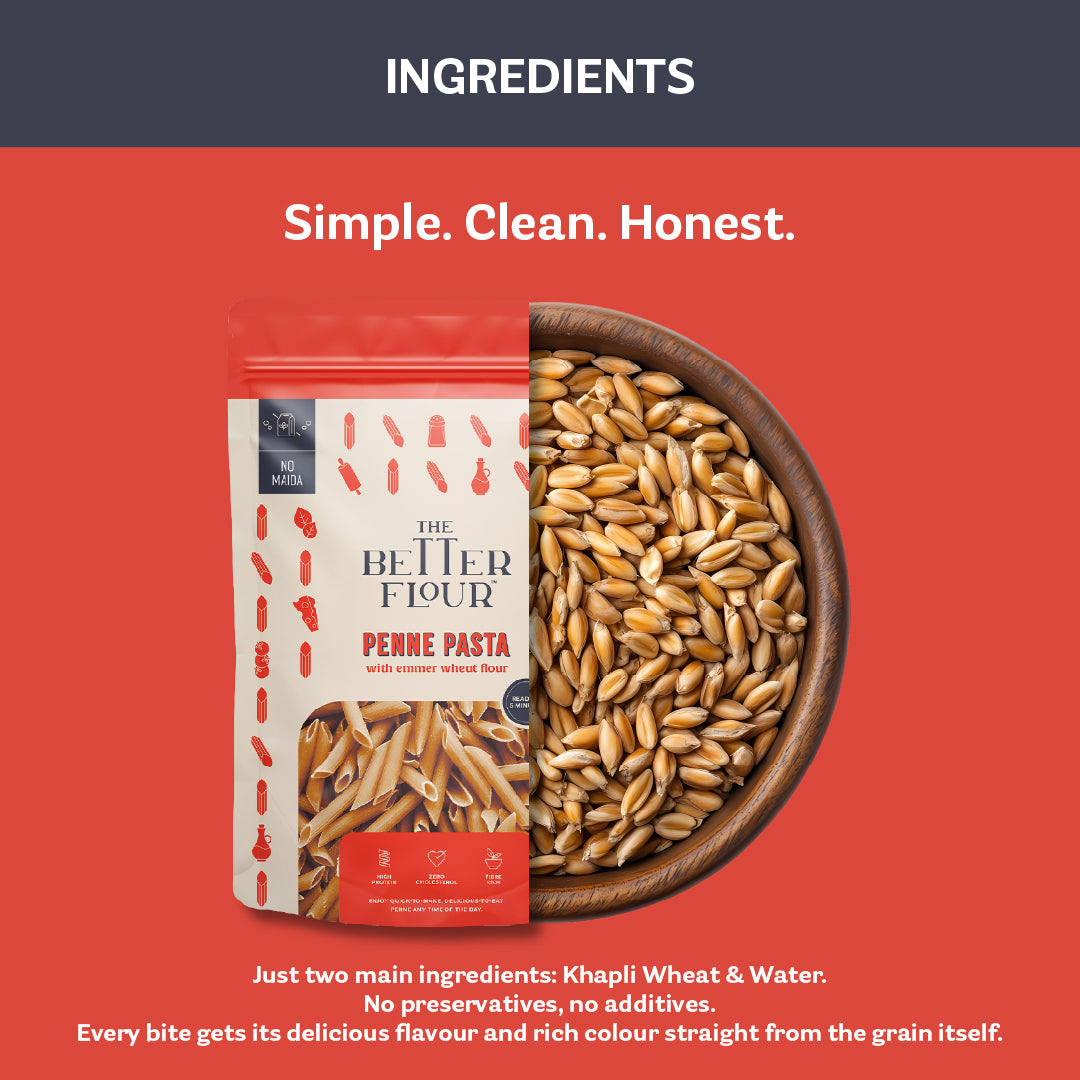

 Ready in 2 mins | No Maida | High Protein | Low GI | Diabetic friendlyEmmer Wheat Penne PastaReady in 2 mins | No Maida | High Protein | Low GI | Diabetic friendly
Rs. 299
-
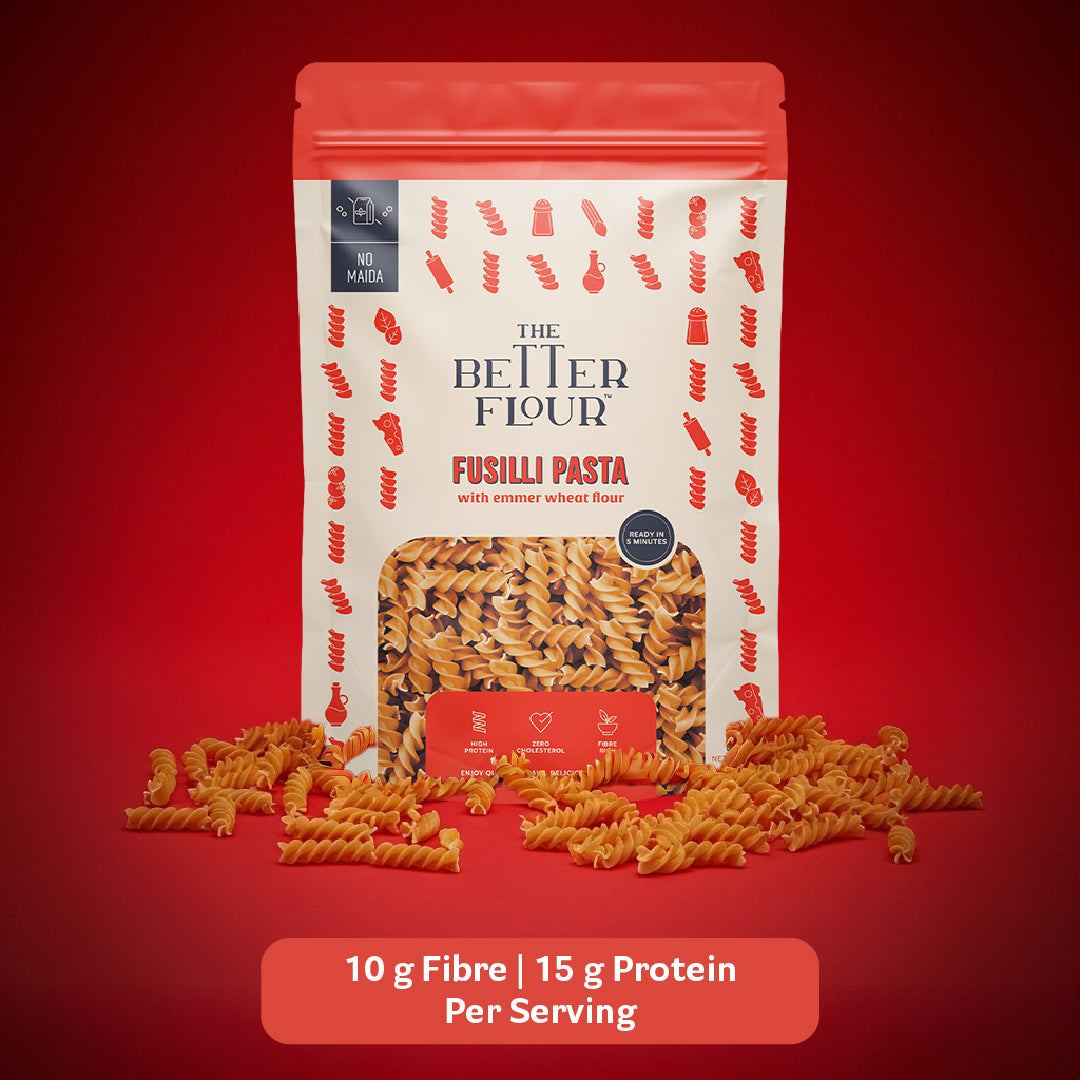
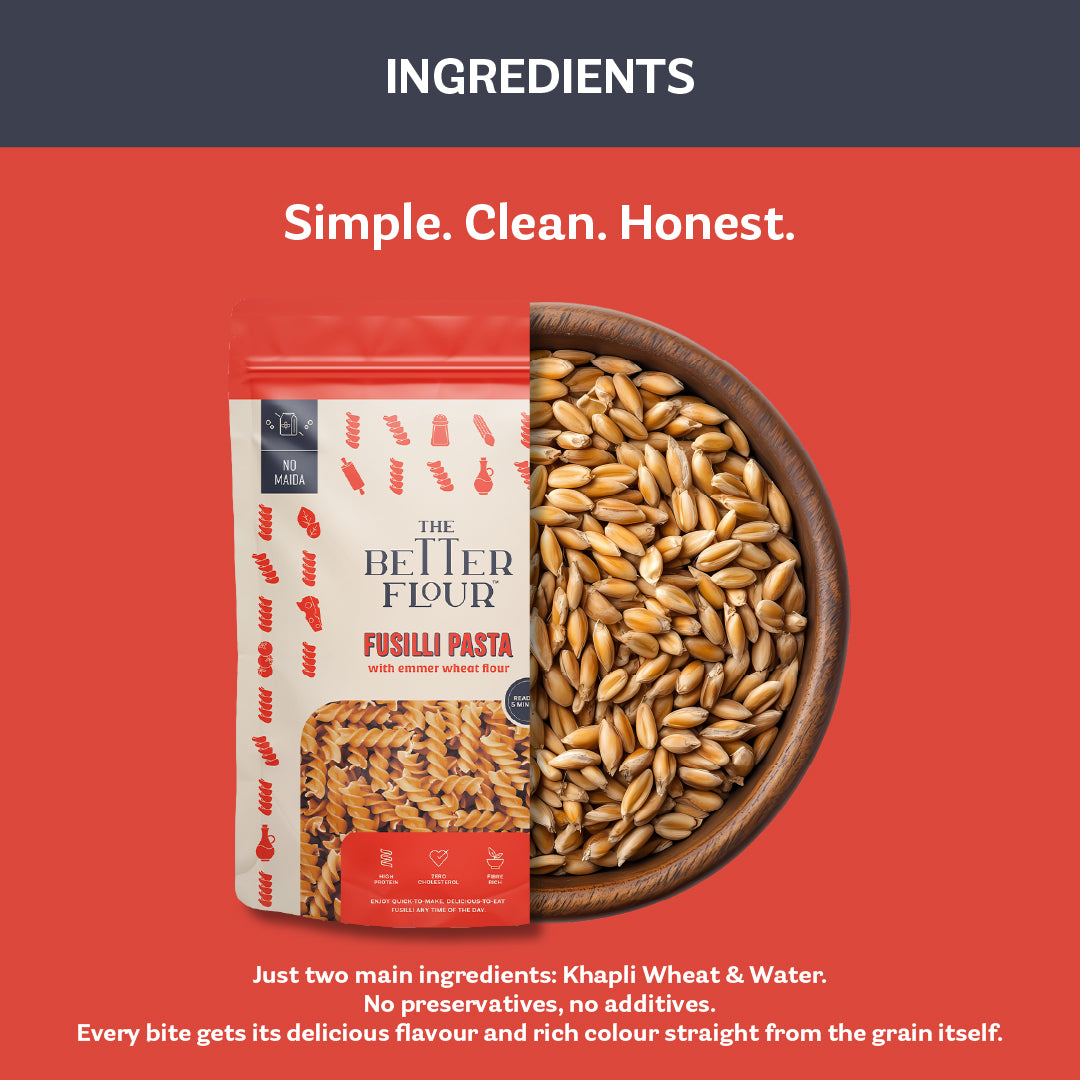

 Ready in 2 mins | No Maida | High Protein | Low GI | Diabetic friendlyEmmer Wheat Fusilli Pasta Single PackReady in 2 mins | No Maida | High Protein | Low GI | Diabetic friendly
Rs. 299
-
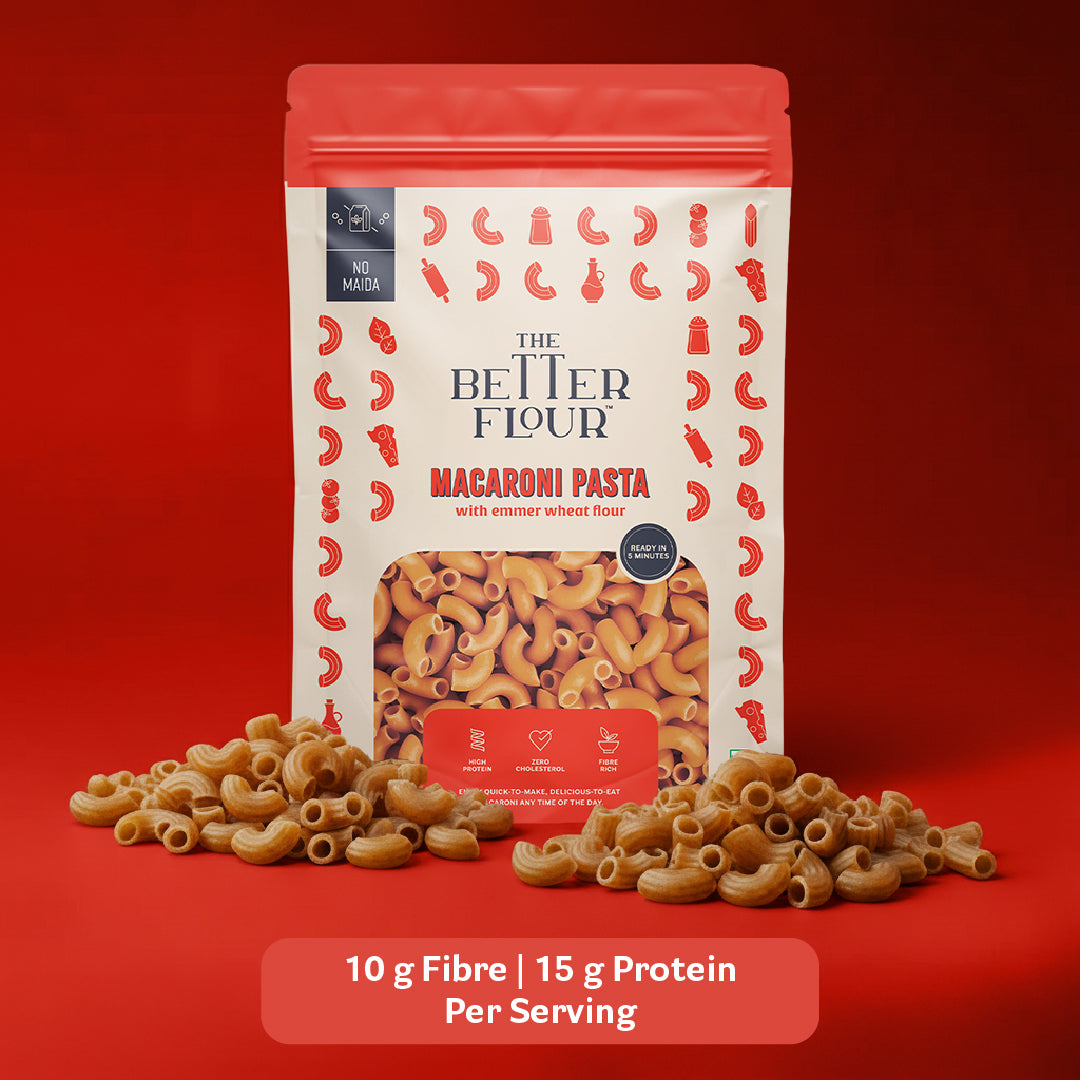
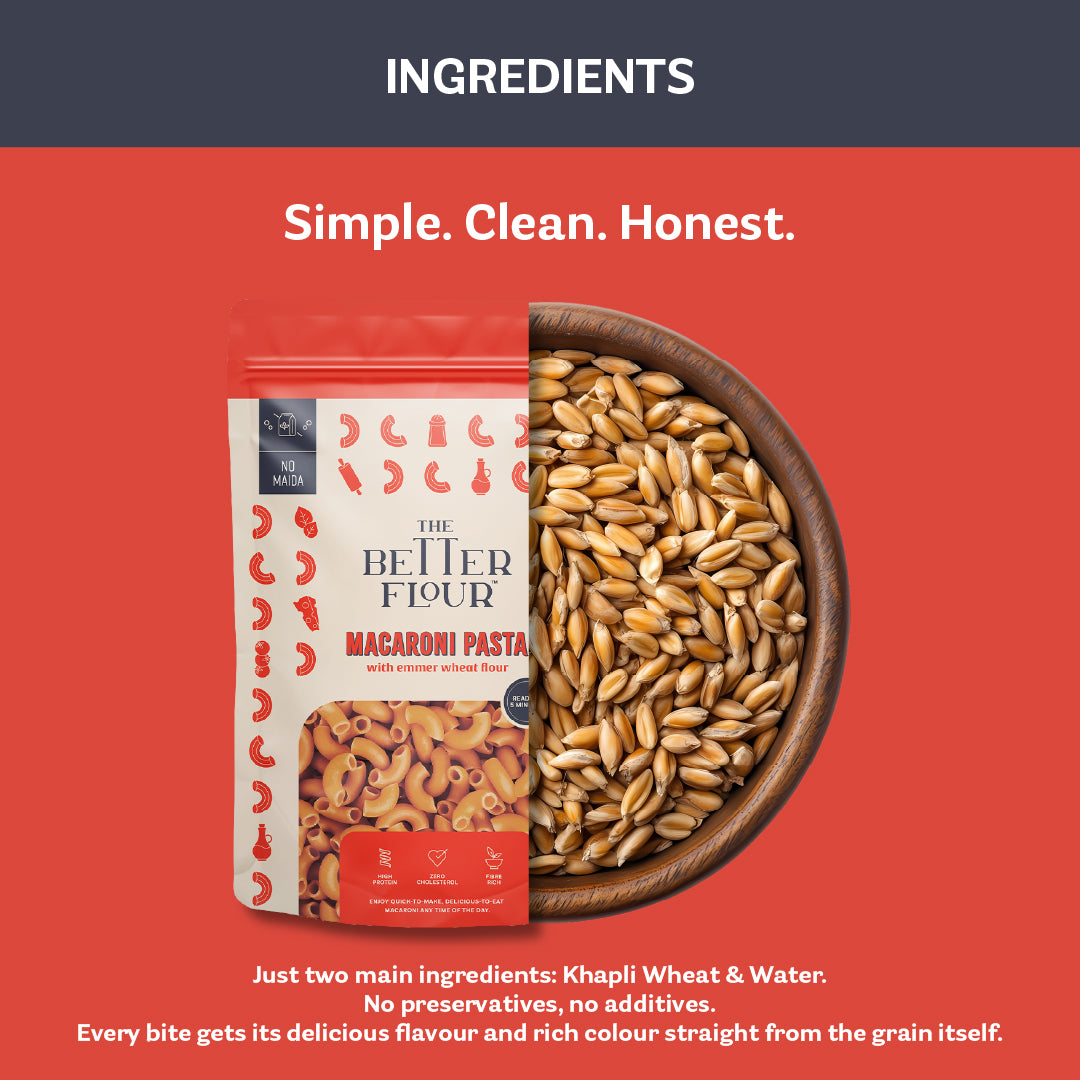

 Ready in 2 mins | No Maida | High Protein | Low GI | Diabetic friendlyEmmer Wheat Macaroni Pasta Single PackReady in 2 mins | No Maida | High Protein | Low GI | Diabetic friendly
Rs. 299


Protein Pasta
Protein Pasta – High-Protein, Plant-Based Pasta for Everyday Indian Meals
Protein pasta is a smarter way to enjoy pasta as part of everyday Indian meals. Made using grains like Emmer wheat and other plant-based ingredients, this high-protein pasta offers steady nourishment while staying light, familiar, and easy to cook. Designed for Indian kitchens, protein pasta India fits naturally into daily routines without changing taste preferences or cooking habits.
-
Naturally higher protein from whole grains
-
Plant-based and easy to digest
-
Suitable for regular meals
Protein Pasta for Balanced, High-Protein Daily Meals
Daily meals work best when they feel satisfying without being heavy. Protein pasta combines carbohydrates and plant protein in a way that supports steady energy and fullness. Unlike refined pasta, high-protein pasta made from whole grains feels more balanced and easier to include in everyday lunches and dinners.
This approach works well for people who want better food habits without strict diets. Protein pasta blends easily with vegetables, simple sauces, and Indian-style preparations, making it practical for both quick weekday meals and relaxed family dinners.
Why High-Protein Pasta Works for Indian Eating Habits
Indian meals are built around grains, vegetables, and home-style cooking. High-protein pasta fits naturally into this pattern by offering nourishment without feeling foreign or overly processed. The added protein helps meals feel more filling and steady through the day.
That’s why many households prefer healthy pasta for regular meals rather than occasional indulgence.
The Role of Emmer Wheat in High-Protein Pasta
Emmer wheat, traditionally known as Khapli wheat, has long been valued in Indian kitchens. It naturally contains more protein and fibre than refined wheat, making it ideal for daily eating. When used in high-protein Emmer pasta, the grain adds texture, depth, and nourishment.
This pasta is made using carefully sourced emmer wheat flour, which helps retain the grain’s natural character. Many people also prefer pasta made from khapli wheat flour because it feels familiar and easy to digest.
Plant-Based Protein Pasta That Feels Familiar
Protein does not always need to come from animal sources. Plant-based protein pasta uses the natural strength of grains and legumes to provide nourishment in a gentle, familiar form.
For people exploring alternatives, plant-based meals can be paired alongside options like gluten free pasta to suit different preferences without changing cooking styles.
Protein Pasta Shapes That Work with Indian Cooking Styles
The shape of pasta plays an important role in how it works with Indian flavours. Protein pasta comes in formats that hold masalas, gravies, and vegetables comfortably.
Twisted shapes like fusilli pasta trap sauces well, while tubular options such as penne pasta suit lighter gravies and baked dishes. Macaroni pasta remains a familiar choice for comfort-style meals.
Protein Pasta Made with Atta-Style and Whole Wheat Grains
Many households prefer grains they already trust. Protein pasta made using atta-style grains offers a smooth transition from rotis and wheat-based meals. Options like khapli atta pasta combine familiar grains with modern convenience.
Similarly, whole wheat pasta provides a comforting bite while supporting balanced daily eating.
From Whole Grain Flour to High-Protein Pasta – A Simple Process
Good pasta begins with good flour. High-protein pasta is made using grains that respect the natural structure of wheat rather than over-refining it.
Using quality whole wheat flour helps preserve flavour, texture, and nourishment, resulting in pasta that cooks evenly and fits easily into everyday meals.
How Protein Pasta Fits Different Lifestyles
Protein pasta adapts easily to different routines. It works well for office lunches, family dinners, and quick one-pot meals. Many people prefer it for balanced eating because it doesn’t feel heavy even when eaten often.
Made from grains like Khapli wheat, wheat pasta supports steady energy and comfort throughout the day.
A Simple Moment from the Kitchen
On a busy evening, dinner often comes together quietly. Pasta boils, vegetables cook, and a simple sauce brings everything together. Protein pasta fits naturally into moments like these, offering nourishment without demanding attention.
What Customers Say
Ritika S., Pune
“I started using protein pasta for regular dinners. It feels lighter than regular pasta and works really well with Indian-style vegetables.”
Amit K., Bengaluru
“We switched to Emmer-based pasta at home. It cooks easily and doesn’t feel like a compromise for daily meals.”
Explore More from Blogs
What Shoppers Want to Know
-
Is protein pasta good for weight management?
Yes, it promotes fullness and supports metabolism. -
Can vegetarians include protein pasta in their diet?
Yes, it is plant-based and vegetarian-friendly. -
How is protein pasta different from regular pasta?
It contains more protein and higher nutritional value. -
Does protein pasta take longer to cook?
No, cooking time is similar to regular pasta. -
Is protein pasta suitable for gluten-sensitive people?
Check product labels; some variants may contain gluten.